
PCOS Hair Loss & Thinning
Learn what causes PMOS / PCOS hair loss and thinning, common signs of hormonal hair loss, and how personalized PCOS treatment can help.
Our Results Speak for Themselves

Get to the Root of PCOS Hair Loss
Hair thinning and hair loss can be frustrating, especially when you don’t know what’s causing it. For some women, changes in hair growth may be connected to Polyendocrine Metabolic Ovarian Syndrome (PMOS), formerly known as Polycystic Ovary Syndrome (PCOS).
Hormonal changes associated with PCOS / PMOS, particularly increased androgen activity, can contribute to thinning hair and female pattern hair loss. We’ll dive into the details below.
At PCOS Sisters, our specialists look beyond the hair itself. We evaluate your symptoms, health history, hormone and metabolic health, and other potential contributors to develop a personalized treatment plan.
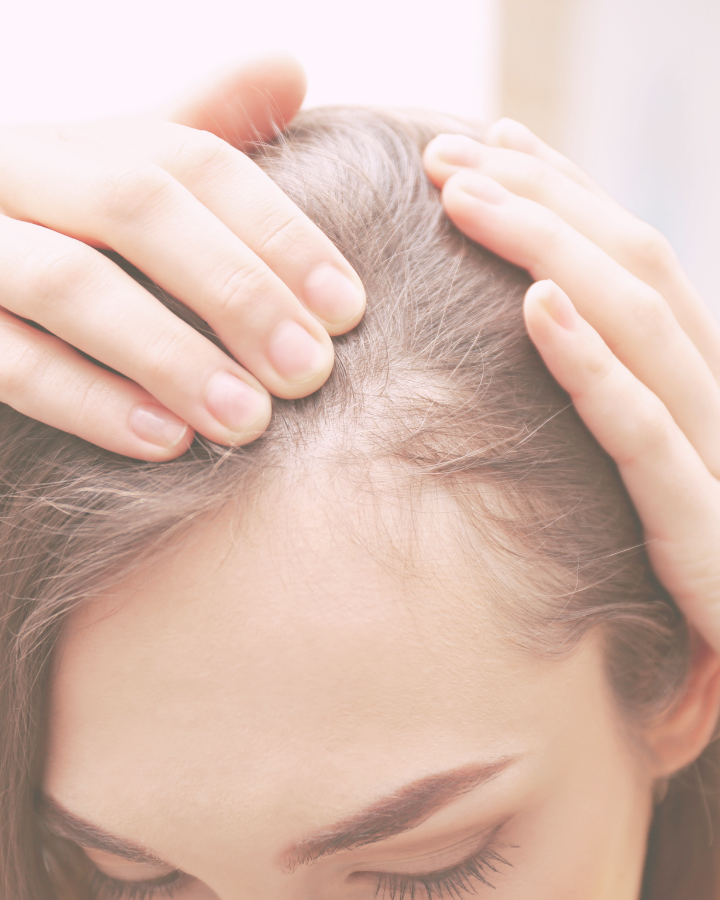
Why Does PCOS Cause Hair Loss?
PCOS is commonly associated with increased androgen levels or activity. While androgens are present in everyone, higher levels or increased sensitivity to these hormones can affect hair follicles and contribute to thinning hair on the scalp.
PCOS isn’t the only possible cause of hair loss. Stress, nutritional deficiencies, thyroid conditions, medications, genetics, and other health factors may also contribute. That’s why identifying what is actually causing your hair changes is an important part of determining the right treatment approach.
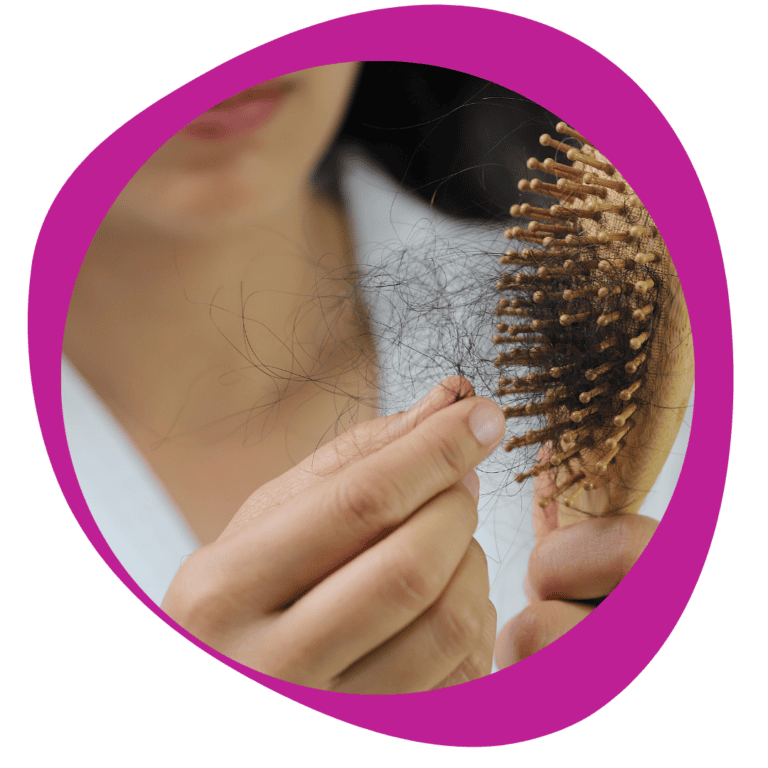
What Does PCOS Hair Loss Look Like?
PCOS hair thinning or loss may include:
- A widening part
- Thinning around the top or crown of the scalp
- Reduced overall hair density
- Hair becoming progressively finer
- Increased shedding
Some women experience hair thinning alongside other PCOS symptoms, including hormonal acne, irregular periods, or unwanted facial and body hair. (Yes, extra hair growth and hair thinning can happen at the same time! More on that below.)
Could Hair Loss Be a Sign of PCOS?
Hair loss alone doesn’t mean you have PCOS. However, if you’re experiencing hair thinning along with symptoms such as irregular periods, acne, unwanted facial or body hair, weight changes, or difficulty becoming pregnant, PCOS / PMOS may be worth investigating.
Our free PCOS Screening Tool takes about 10 minutes and can help you determine whether you may benefit from further evaluation and testing with a specialist.
The PCOS / PMOS Screening Tool is not a diagnostic test and cannot diagnose PCOS/PMOS. Diagnosis requires evaluation by a qualified healthcare provider.

Treating Hair Loss with PCOS
There isn’t one treatment that works for every woman experiencing PCOS hair loss. Your treatment plan should be based on what’s contributing to your symptoms, your health history, and your individual goals.
Depending on your needs, your PCOS specialist may recommend addressing hormonal or metabolic factors, prescription treatment when appropriate, nutrition and lifestyle support, or evaluation for nutritional deficiencies and other potential contributors.
At PCOS sisters we have seen patients experience incredible results. 63% of our patients have experienced improvement in hair loss. You can read more results in our 2025 Patient Impact Report.
PCOS Hair Loss FAQs
Is hair loss a symptom of PCOS?
Yes. Hair thinning and female pattern hair loss can occur in women with PCOS, particularly when increased androgen activity is present. However, other conditions can also cause hair loss, so proper evaluation is important.
Can PCOS hair loss grow back?
It depends on the cause and severity of the hair loss. Identifying and treating contributing factors may help slow hair loss and improve hair growth or density for some women, but results vary.
Can PCOS cause both hair loss and facial hair?
Yes. Increased androgen activity can contribute to thinning hair on the scalp while also causing increased coarse hair growth on the face or body, known as hirsutism. We have a whole page for that as well: click here to read about hirsutism.
Does PCOS Sisters accept insurance?
PCOS Sisters Telehealth Clinic & Wellness Center accepts self -pay and insured patients. We accept insurance in many states. If we don’t accept your insurance for the visits, you may self-pay and still use your insurance for labs, imaging, and medications. We cannot accept Medicaid or Medicare patients.