
PCOS Hirsutism
Learn why PCOS / PMOS can cause hirsutism and unwanted facial hair. Explore personalized treatment and hair removal options for PCOS-related hair growth.
Our Results Speak for Themselves
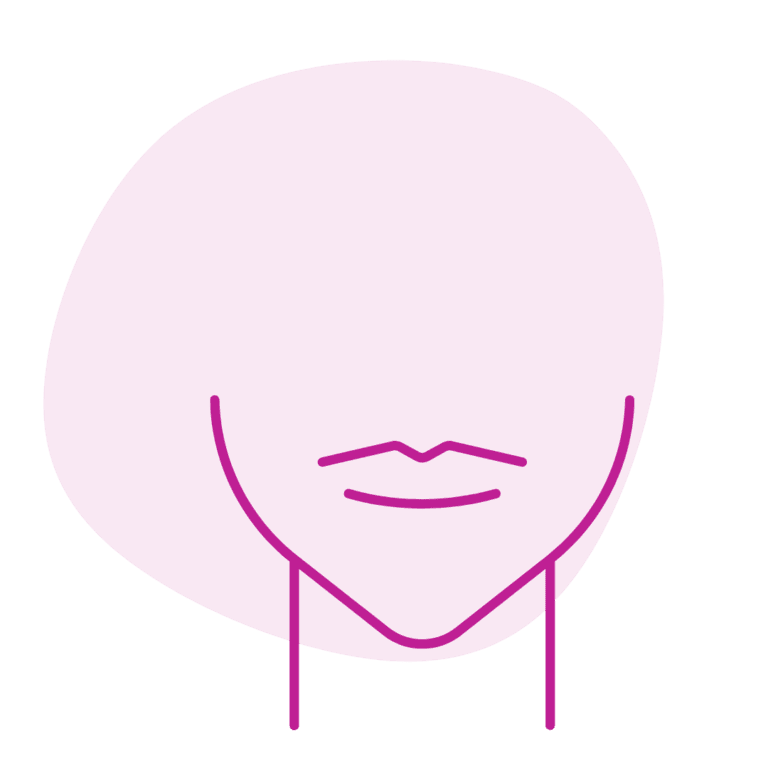
Treatment for Unwanted Facial & Body Hair
Unwanted facial or body hair can be one of the most frustrating symptoms of Polyendocrine Metabolic Ovarian Syndrome (PMOS), formerly known as Polycystic Ovary Syndrome (PCOS).
This excessive hair growth, known as hirsutism, is often related to increased androgen levels or activity in women with PCOS / PMOS.
At PCOS Sisters, our PCOS specialists evaluate your symptoms, hormone and metabolic health, medical history, and goals to develop a personalized treatment plan that addresses the factors contributing to unwanted hair growth.
Why Does PCOS Cause Unwanted Hair Growth?
Androgens are hormones that are present in everyone, but women with PCOS/PMOS may have elevated androgen levels or increased sensitivity to their effects.
This can cause coarse, darker hair to develop in areas where women typically have finer hair.
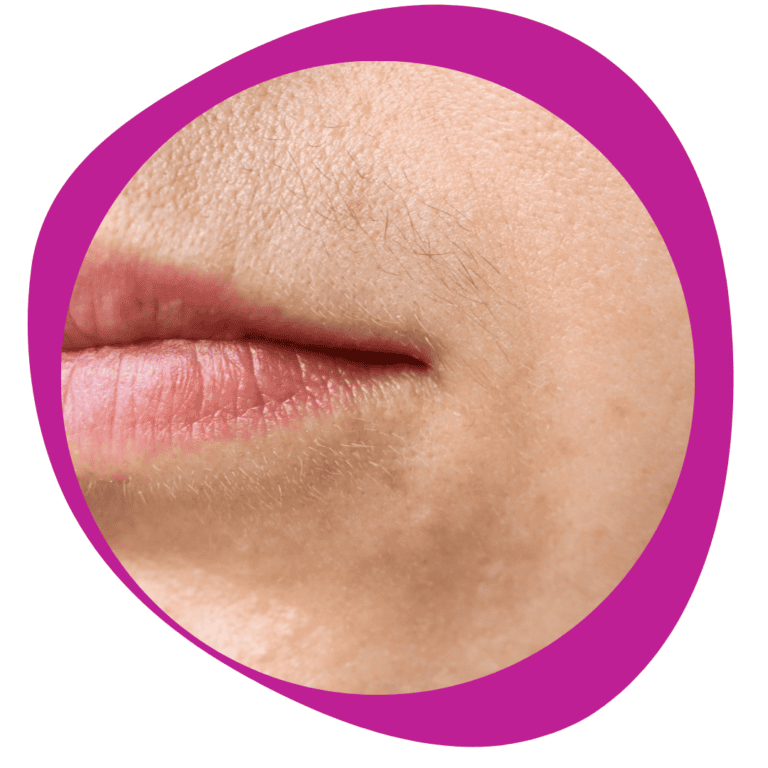
What Does PCOS Hair Growth Look Like?
PCOS-related hirsutism commonly affects areas such as:
- Chin and jawline
- Upper lip
- Neck
- Chest
- Abdomen
- Back
Some women may experience hirsutism alongside other signs of increased androgen activity, including hormonal acne or thinning hair on the scalp.
(Yes, extra hair growth and hair thinning can happen at the same time! More on that below.)
Could Unwanted Hair Growth Be a Sign of PCOS?
If you’re experiencing increased hair growth alongside irregular periods, acne, hair thinning, weight changes, or difficulty becoming pregnant, PCOS/PMOS may be worth investigating.
Our free PCOS Screening Tool takes about 10 minutes and can help you determine whether you may benefit from further evaluation and testing with a specialist.
The PCOS / PMOS Screening Tool is not a diagnostic test and cannot diagnose PCOS/PMOS. Diagnosis requires evaluation by a qualified healthcare provider.
Treating Hirsutism with PCOS
Treatment for PCOS related hirsutism depends on your individual health, symptoms, and goals. Your PCOS specialist will do a full evaluation to determine what you need.
Because hair grows in cycles, changes in unwanted hair growth can take time. Existing hair may also require cosmetic hair-removal methods even when the underlying factors contributing to new growth are being treated.
At PCOS sisters we have seen patients experience incredible results. 53% of our patients have experienced reduced unwanted hair with medication alone. You can read more results in our 2025 Patient Impact Report.
Hair Removal & Electrolysis
Some women choose to combine medical treatment for PCOS / PMOS with hair-removal options such as electrolysis. It’s important to note that electrolysis is not the first or only method recommended.
Hirsutism is first managed by treating the root cause by balancing your hormones, thereby treating your PCOS. If your PCOS has remained untreated for a long period of time, even after optimal PCOS treatment there may be a few stubborn hairs. This is when electrolysis, the only FDA approved permanent hair removal method is recommended.
PCOS Sisters works with electrologists and hair-removal professionals who understand the unique concerns of women experiencing hormonally influenced hair growth.
Explore Our Electrology & Laser Hair Removal Partners
Alana Dzurek is the founder and licensed electrologist of Beverly Hills Hair Free with 28 years of experience. Utilizing an innovative galvanic multiprobe electrolysis treatment method reduces treatment sessions to only once per month.
Although her state of the art facility is located in Dallas, TX and Beverly hills, CA, many patients travel from outside TX for their monthly treatment sessions.
Mariel Lloyd, licensed electrologist.
Mariel utilizes the single probe electrolysis method with sessions generally starting with biweekly sessions.
Kristi has extensive experience working with individuals who are facing hormonal abnormalities and diseases, especially those with polycystic ovarian syndrome (PCOS). She is a Licensed Electrologist that specializes in permanent hair removal for medical and cosmetic purposes. She has completed 600 hours of coursework in Electrolysis, Thermolysis, and Blend through the American Institute of Education in Tustin, CA, and countless hours of continuing education.
Jill loves to help others feel comfortable in their skin by being hair free! She is a licensed electrologist that specializes in women’s health, specifically with those who are dealing with unwanted hair growth due to imbalanced hormones (PCOS).
Are You an Electrologist or Laser Hair Removal Provider?
PCOS Sisters partners with electrologists and laser hair removal providers to help connect women with PCOS / PMOS to professionals who understand hormonally influenced hair growth.
If you provide electrolysis or laser hair removal services and are interested in partnering with PCOS Sisters, we’d love to connect.
PCOS Hirsutism FAQs
Is facial hair a symptom of PCOS?
Yes. Hirsutism is a common symptom of PCOS/PMOS and is often associated with increased androgen levels or activity. It’s important to note that both hair thinning on the scalp and excess hair growth on the chin or other areas can occur at the same time.
Where does unwanted hair grow with PCOS?
Will hair grow back thicker if I shave?
No. Shaving does not change the thickness, color, or growth rate of the hair follicle. Because shaving creates a blunt tip on the hair, regrowth may temporarily appear or feel thicker.
Will treating PCOS stop unwanted facial hair?
Treating hormonal factors associated with PCOS may help reduce or slow new unwanted hair growth, but sometimes existing coarse hair may still require hair-removal treatment. Results vary between individuals.
Does PCOS Sisters accept insurance?
PCOS Sisters Telehealth Clinic & Wellness Center accepts self -pay and insured patients. We accept insurance in many states. If we don’t accept your insurance for the visits, you may self-pay and still use your insurance for labs, imaging, and medications. We cannot accept Medicaid or Medicare patients.