

A Letter from a PCOS Specialized Medical Provider, PCOS Patient, and PCOS Researcher
“A rose by any other name would smell as sweet” -Romeo & Juliet.
I ask you to consider if Shakespeare applies in the world of science?
Why Did Doctors Change PCOS to Polyendocrine Metabolic Ovarian Syndrome (PMOS)?
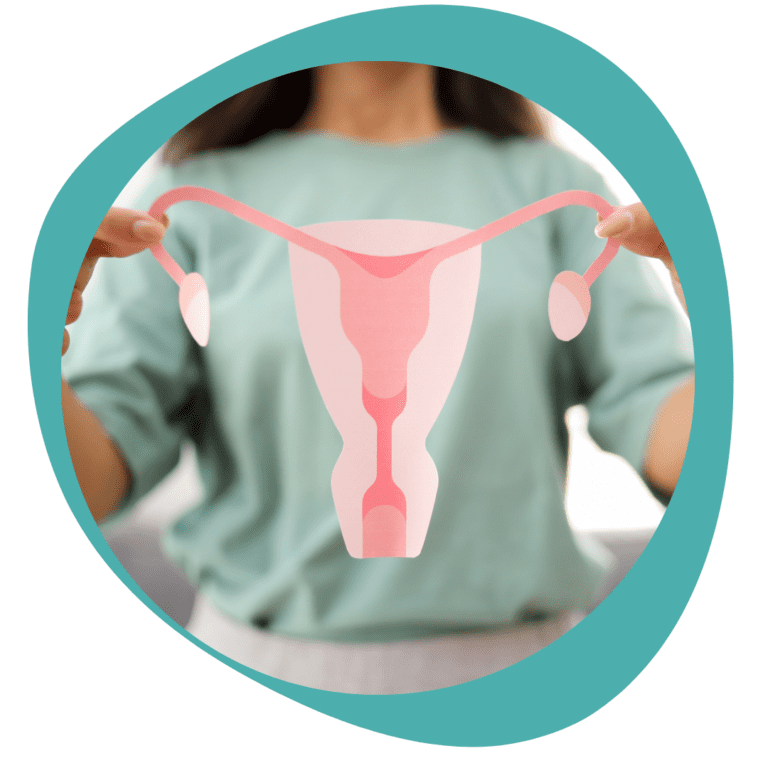
While it may be confusing, this change is actually a great advancement. Let’s explore the reasons why this decision was made:
- Women with PCOS never had cysts. Yes, you heard that correctly. Ovarian cysts is another diagnosis entirely. PCOS (Polycystic Ovarian Syndrome) is a misnomer. The “cysts” are actually not cysts at all but excess immature follicles, and these immature follicles do not cause pain. If you are experiencing pain with PMOS (formerly known as PCOS), it is likely caused by co-morbid conditions such as endometriosis or a symptom of the irregular, sometimes heavy menstrual cycles that occur with PMOS (formerly known as PCOS). It is also possible you have both PCOS and ovarian cysts as two separate conditions.
- Metobolic Disease minimization. The name PCOS itself minimizes the larger issues that include the 19% increase in cardiovascular events found in women with PCOS. It minimizes the 80% that are overweight or obese, the 50% that develop diabetes by age 40. This minimization costs the U.S. Healthcare industry 8 billion dollars per year! The hyperfocus on ovarian cysts can distract from larger health issues.
- Call It What It Is. A Chronic Endocrine Disorder. PMOS (formerly known as PCOS) is caused by elevated androgens that then drive up insulin resistance leading to potential weight gain, obesity, and metabolic/hormonal disruption. The hormonal changes may involve ovulation disruption, however this does not involve “cysts.”
- SYNDROME is defined as a set of symptoms that occur together but are not required for a diagnosis. Unlike a disease defined by known etiology, a syndrome is defined by a cluster of symptoms. This is why while PCOS is the #1 cause for infertility, this does not mean PCOS women are all infertile, or that you must be overweight to have PCOS, or that all PCOS women have mood swings, or irregular menstrual cycles. In fact symptoms of PCOS vary with the individual requiring a personalized approach to PCOS treatment.
Why Does This Name Change Matter?

PCOS has a misdiagnosis/undiagnosis rate of 50-70%. It often takes on average 2 years and 3 different medical providers to receive a diagnosis. The three disciplines involved in PCOS healthcare are often Primary Care, Gynecology, and Endocrinology. Could the ovarian cyst nature of the name confuse the referral process and strain patient provider communication?
As a medical provider myself, I have seen patients confused about their “cysts” and could not understand why the cysts could not be removed. They are very distracted by the removal of a cyst they do not have, when instead the focus should be placed on their diabetes and obesity preventing their pregnancy and worsening their risk for stroke and heart attack. It takes quite a bit of education for these patients and they always ask “then why would someone call it PCOS and require an invasive transvaginal ultrasound?”. The truth is ultrasounds are not required with the latest International PCOS guidelines if a patient meets the Rotterdam symptom criteria of irregular menstrual cycles. The patients often reply, “why has no one told me this?” More recent research in May 2026, further demonstrates that ovarian cyst prevalence is not associated with PCOS.
The mistrust in the medical system then begins to grow, leading women to turn to unlicensed social media influencers they believe they can trust, as mentioned in a 2024 BBC article exposing fake cures for PCOS being sold by influencers. PCOS women like myself for decades have become a vulnerable population ripe for exploitation because we had nowhere to turn.
This is why I founded PCOS Sisters Telehealth Clinic & Wellness Center (PMOS Sisters™: An Evidence Based Practice), a multi-state medical practice to help women like myself who suffered for decades and now receive an evidence-based medical diagnosis and treatment of PMOS with same week appointments across the USA. Rooted in Evidence Based Practice, we align ourselves with the latest research findings and are one of the first companies to adapt our name to the latest PCOS Guidelines that will arrive in 2028. During this 3 year period, you will likely see dual branding of both PCOS Sisters® and PMOS Sisters™.
How Was The Name Change Decided?
The name change was a comprehensive collaborative process compiling 22,000 plus survey responses from patients and healthcare providers globally. 86% of patients supported the name change with 97% consensus on the new name in the workshop. 56 organizations across all world regions were involved, based upon 14 years of global research and collaboration with the AE-PCOS society, Verity, and MONASH University.
What Happens Next?
I do recognize the long road ahead in terms of rebranding and the downstream effects of updating medical textbooks, SEO, and coding, leading to varying levels of support in the name change decision. There is an implementation plan in place over the next three years to update the name in 8 phases prior to the next guideline update in 2028. While I empathize with the work we have ahead of us as a business owner, I am also a PCOS patient, a PCOS researcher, a PCOS medical provider. I will not waiver in truth.

Dr. Lynsey Johnson, DNP, FNP-C
PMOS patient, CEO, Nurse Practitioner & Founder
PCOS Sisters Telehealth Clinic & Wellness Center (PMOS Sisters™: An Evidence Based Practice)
Emory University Community Research Partner & Adjunct Instructor

