
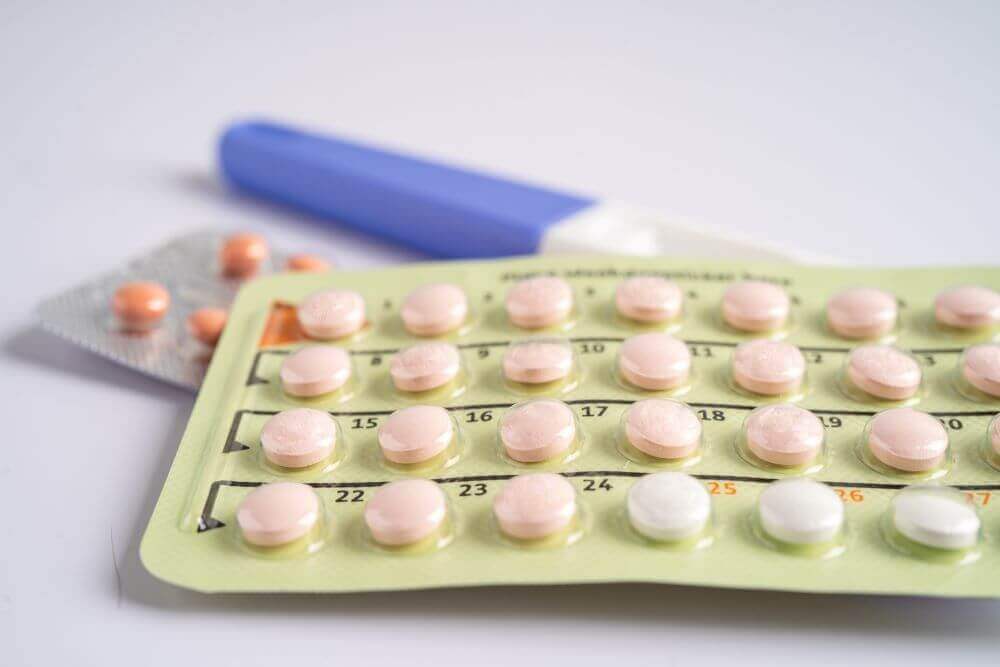
Recently, many TikTok and social media influencers have reported Ozempic babies or increased fertility, resulting in unplanned pregnancies while taking semaglutide. As a result, I have many patients asking if their oral birth control is ineffective or if I can use semaglutide as a fertility medication.
There is currently no published research exploring the relationship between semaglutide and the effectiveness of oral birth control.
What we do know:
-
- Semaglutide slows down gastrointestinal transit time, which could affect the absorption of many oral medications, including oral birth control. This is theory, not proven.
-
- Semaglutide is now included in the 2023 PCOS Treatment Guidelines. PCOS can cause infertility; therefore, treating your PCOS with semaglutide often results in increased fertility(1).
-
- Animal studies have shown an increased risk of birth defects, low birth weight, and increased risk for miscarriage (2).
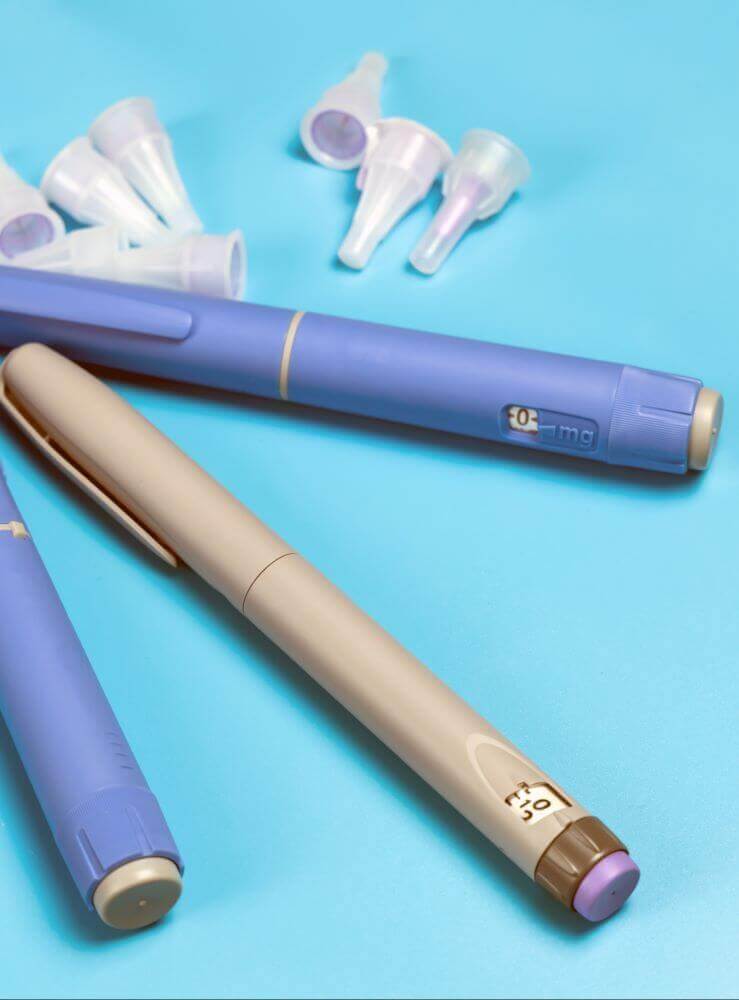
What does this mean for oral birth control users?
If there is a concern, you can discuss changing to non-oral birth control, although I have personally never seen unplanned Ozempic babies in practice in women on oral birth control.
Does this mean I can use Ozempic as a fertility medication?
Absolutely not! Although you might have increased fertility by using it to treat your PCOS, that does not mean it is safe for the embryo. It is recommended to stop usage immediately upon a positive pregnancy test and to stop taking two months before attempts at conceiving (2).

References:

